|
|||||||


| Bream Anglers Tavern Drop in here if you're just surfing with a beer in your hand. Good place to just hang out... |

 |
|
|
Thread Tools | Rate Thread | Display Modes |
|
|||||||
| Bream Anglers Tavern Drop in here if you're just surfing with a beer in your hand. Good place to just hang out... |
|
|
|
Thread Tools | Rate Thread | Display Modes |
|
#1
 18-06-2007, 01:10 AM
|
|||
|
|||
|
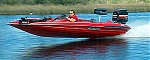
Boat went up in flames, Swan River ....
So did anyone see this for themselves yesterday? Shane and I were out there but no where close. We heard about it through Alison (Shane's fiancee) as she rang urgently thinking that I may have blew him up in my boat!
  So what started the fire? I will have to shift my fire extinguisher up to the anchorwell again, just takes up too much room. And advice please Stu, those white powered fire extinguisher, does it have to be changed every few years or just an occasional shake every so often will suffice? http://www.abc.net.au/news/newsitems...6/s1953636.htm Last edited by Lone Ranger; 18-06-2007 at 01:15 AM. 
|
|
#2
18-06-2007, 01:26 AM
|
||||
|
||||
|
A ski boat like the one is more than 10 times more likely to go up then one like your Carol, but it is good sense to carry a fire extingisher to use on other people boats. Normally the extinguisher has a gauge that shows its status.
Trust me a few times yesturday i nearly blew up, bloody fish
|
|
#3
18-06-2007, 11:57 AM
|
||||
|
||||
|
Shame to see a ski boat burn but I'm not going there **cough**
My strong guess is they had a fuel leak and when they started the engine the vapour ignited. Pays to check under the hood before you start the engine eh? With unleaded, the fuel/air mixture has to be within flammability range to ignite. The flammability limit, in Air, % by Volume: LEL: 1.4% and UEL: 7.6%. (that's the upper and lower limits), so that's fairly narrow as you can see. (Acetylene is 2% to 80%). This is also dependent on the fuel/composition/blend being used. Petrol has a flashpoint at about -40oC given the right fuel/air mix as above. So don't stress too much about an outboard setup "blowing up". The chances of an outboard and/or fuel tank fire is very rare unless you check your fuel tank with a lit match. (KIDDIES DO NOT TRY THIS AT HOME it would be the same as picking up a powerline to see whether it is live or not). The fact is fuel is very aromatic as you would know from filling up the tank or the car. This is a very good indicator that something is not right ie if you can smell it there is a spill or a leak. Check the tank before you head out on the water. Smell anything? How strong? That will tell you how much is spilt or has leaked. Simple! Explosion is a bit of a media beat up term anyway. Admittedly petrol vapour will ignite at any normal ambient temperature and will burn extremely rapidly giving the impression of explosion but in reality its a rapid ignition of the vapour. Really the words "explosion" and "blowing up" really should be applied to materials which are designed to do so ie explosives. The vapours trapped in an enclosed environment such as a ski boat bilge/hull would create a "rich" environment and would not have ignited, hence this incident suggests the introducion of air somehow (hmmm what's that smell?Let's look in here...........). Be interested to hear exactly how it happened. Few points to consider about an extinguisher; If your fuel tank leaked a decent amount of fuel into the bilge and ignited an ABE or AB dry powder extinguisher will a.) Make a huge mess but that won't matter anyway. b.) Probably (no definately) not extinguish a decent size fire and effectiveness is very dependant on the wind factor. c.) You may not be able to get to the seat of the fire if it is under the deck or in the bilge. d.) The powder from an BE or ABE dry chem extingisher is very toxic so don't inhale the powder. e.) Why risk serious burns trying to put out a fire that probably will defeat your extinguisher anyway. No point being a dead or burnt hero for the sake of a boat eh? f.) If the fire is relatively small have a crack at the base of the fire from a safe distance. If you don't have it out within about 10secs the extinguisher is about to run out so get over the side and save yourself. Keep the extinguisher close to where you spend most time with the engine running but obviously not near the stern. Yep the guage on the extinguisher will tell you if the pressure is still ok (in the green) and invert it periodically so the powder doesn't pack hard into the base and not work if you need it. You should hear the powder swishing up and down as it moves inside. HTH Last edited by Stu_000; 18-06-2007 at 12:28 PM.
|
|
#4
19-06-2007, 07:47 AM
|
|||
|
|||
|
Quote:
ANY fuel-oxidizer mixture of the right proportions can and will create a very real and violent explosion in a confined space.. They dont have to be designed to do so this guys daughter was thrown into the water when the engine cover she was sitting on was blown off.... obviously the hull was full of air originally then became mixed with petrol vapour, one tiny spark and boooom!
|
|
#5
19-06-2007, 10:29 AM
|
||||
|
||||
|
Quote:
Quote:
It seems a very generic term loosely used by the media when something extraordinary like this happens. A bit like the term "jaws of life". We use hydraulic tools called cutters and spreaders in road crash rescue but the media print this generic term time and time again. As I said I was being pedantic but hope this explains it a bit better. BTW thief the statement; "ANY fuel-oxidizer mixture of the right proportions can and will create a very real and violent explosion in a confined space.." is incorrect. Have you ever seen wood (fuel) violently explode? I thinking even with the introduction of pure oxygen in a confined space that it wouldn't explode. Love to see someone try tho  . .Cheers
|
|
#6
21-06-2007, 10:10 PM
|
||||
|
||||
|
Stu, being in the proffession that you are what are your thought's on fuel tanks and batteries being stored under rear casting decks, I have never heard of any dramas but when you look at it on a hot day fuel expands in your tank filling the under deck space with gas, all it takes is a spark from bad wiring connection,blown fuse or circut breaker and bang your non boater is sky surfing on the casting deck 30 feet in the air.
chris
|
|
#7
21-06-2007, 10:42 PM
|
||||
|
||||
|
Chris I guess the risk is always there. I have my cranking battery nestled between two fuel tanks at the rear of my boat ie 35 litres of PULP. A fair bit of potential.
The fact is a battery produces hydrogen gas hence the warnings found on batteries generally; no naked flames, smoking etc especially when charging. But how many battery explosions do you hear about? Generally a battery will not produce sparks unless you have a dodgy connection arcing between the pole/terminal and the lead. Even then the chance of explosion (there's that word again) or ignition of the hydrogen is remote. Hydrogen is considered a relatively safe gas. The Hindenberg airship that burnt contained Hydrogen gas but now they speculate that the outer covering of the airship was constructed of a very flammable material. Check this link out........ http://www.clean-air.org/hindenberg.htm So I'm thinking that all things being equal there is little chance of a spark being produced in the first place to ignite any petrol vapours that may exist under the rear deck. Don't forget the fuel/air mixture must also be between very narrow flammability limits to ignite anyway. Also even on a hot day the fuel tank generally is shaded from the sun under the deck and will be much cooler than you being belted by the sun on the deck. I'm thinking if you check your tanks, wiring etc on a frequent basis and keep up maintenance on your boat generally it'll be apples. Life's to short to worry about you boat "exploding"  but if does you go out in a "blaze of glory" but if does you go out in a "blaze of glory" HTH
|
|
#8
21-06-2007, 11:52 PM
|
||||
|
||||
|
Thanks for the reply Stu.
Hows this for an idea, an external breather adaptor for portable fuel tanks located in confined spaces. "The Breathe Easy" I'll patent the idea and sell the licence. Chris
|
|
#9
22-06-2007, 02:06 AM
|
||||
|
||||
|
No probs
Don't mean to burst your bubble but fuel tanks (usually large) often come with breathers to stop vapour build up . But I guess for a small portable fuel tank there is always room for improvements Here's an interesting article from a NZ Jet boat fire caused by fuel vapours and a spark plug lead not attached to the plug Hope your careful Mitch!http://www.maritimenz.govt.nz/public...0T4-063946.pdf Last edited by Stu_000; 22-06-2007 at 02:17 AM.
|
|
#11
22-06-2007, 04:48 AM
|
||||
|
||||
|
Yeah read that a while back but not to worry you can't run petrol inboard engines commercially here for basically that reason as far as i'm aware. WestJet runs diesel.
Heard about that boat fire but found out James was fishing down river, doesn't make sense??? ;-) bahaha
__________________
360 Marine mitch@360marine.com.au Luxury Corporate and Private Vessel Skipper Services _______________________ www.jiggyjigs.com - Team Member www.powerdive.com - Go Diving Without Tanks!
|
|
#13
22-06-2007, 08:53 AM
|
|||
|
|||
|
stu if you had a shed filled with pure oxygen then mixed into the gas very fine wood dust, then lit a match in there..
id say the structural integrity of that shed would change dramatically.
|
|
#14
22-06-2007, 09:25 AM
|
||||
|
||||
|
Quote:
Yeah i was around Royal Perth Yacht club near the start so your safe to say it wasn't me this time .
__________________
Cheers, James Graham  Jiggyjigs - Gettin Jiggy With it www.jiggyjigs.com Quickboats - Unfold Your Freedom www.quickboats.com
|
|
#15
22-06-2007, 11:20 AM
|
||||
|
||||
|
Quote:
"ANY fuel-oxidizer mixture of the right proportions can and will create a very real and violent explosion in a confined space.." My point is this statement is fundermentally incorrect because you never mentioned any ignition source. You can change the configuration of the fuel to suit your argument but without the match, you are now introducing, it won't explode. There are other varaibles to consider as well; pressure, temperature, the type oxidizing agent present and the fuel configuration.
|
|
|
|




 Linear Mode

